What Causes Water Damage Behind Siding?

Siding is designed to protect your home from the elements, but it is only one part of the exterior wall system. Behind it, materials such as housewrap or another water-resistive barrier, flashing around windows and doors, and properly sealed penetrations help keep moisture from reaching the sheathing and framing.
When those protective layers are damaged, improperly installed, or no longer directing water away from the wall, moisture that gets behind the siding is more likely to cause staining, rot, mold, softened sheathing, and other hidden damage.
Siding Is Not the Home's Only Waterproof Layer
A properly constructed wall assembly typically relies on multiple layers to manage water. Behind the siding, a water-resistive barrier (WRB) helps prevent water that gets behind the cladding from reaching the wall structure. Properly installed flashing then directs that moisture back toward the exterior.
When water does get behind the siding, the layers beneath it should help direct that moisture back out before it reaches more vulnerable parts of the wall assembly.
Caulk can help seal certain joints and gaps, but caulk is not a substitute for properly installed flashing. If water is consistently entering around an opening or transition, simply applying more sealant may only temporarily hide the problem.
Failed or Improper Flashing
Flashing is one of the most important components for preventing water intrusion behind siding. It is used around areas where water is more likely to enter, including windows, doors, roof-to-wall intersections, and other transitions.
If flashing was improperly installed, damaged, deteriorated, or skipped during construction, water may be able to travel behind the siding. Once inside the wall assembly, moisture can spread to surrounding materials.
Roof-to-Wall Intersections
Several building materials and drainage paths come together where a roof meets a wall. These areas require careful flashing and installation because rainwater running down the roof needs to be directed away from the wall.
If flashing at a roof-to-wall intersection is missing or improperly installed, water can work its way behind the siding. Over time, repeated exposure can damage the siding, sheathing, framing, or insulation.
Windows, Doors, and Other Openings
Window and door openings are another common location for water intrusion. These areas require properly integrated flashing so that water entering behind the siding can be redirected outside.
Other penetrations can create similar problems. Outdoor lights, vents, pipes, electrical components, and other objects that pass through the exterior wall can create openings where water may enter if they are not properly flashed and sealed.
Damaged Housewrap or Water-Resistive Barrier
Even when siding and flashing appear to be in good condition, a damaged or improperly installed WRB can contribute to water damage. Tears, gaps, improperly sealed seams, or installation problems can interfere with that drainage path.
Gutters, Runoff, and Wind-Driven Rain
Water does not always enter behind siding because of a single installation defect. Gutters and drainage systems can also contribute to problems.
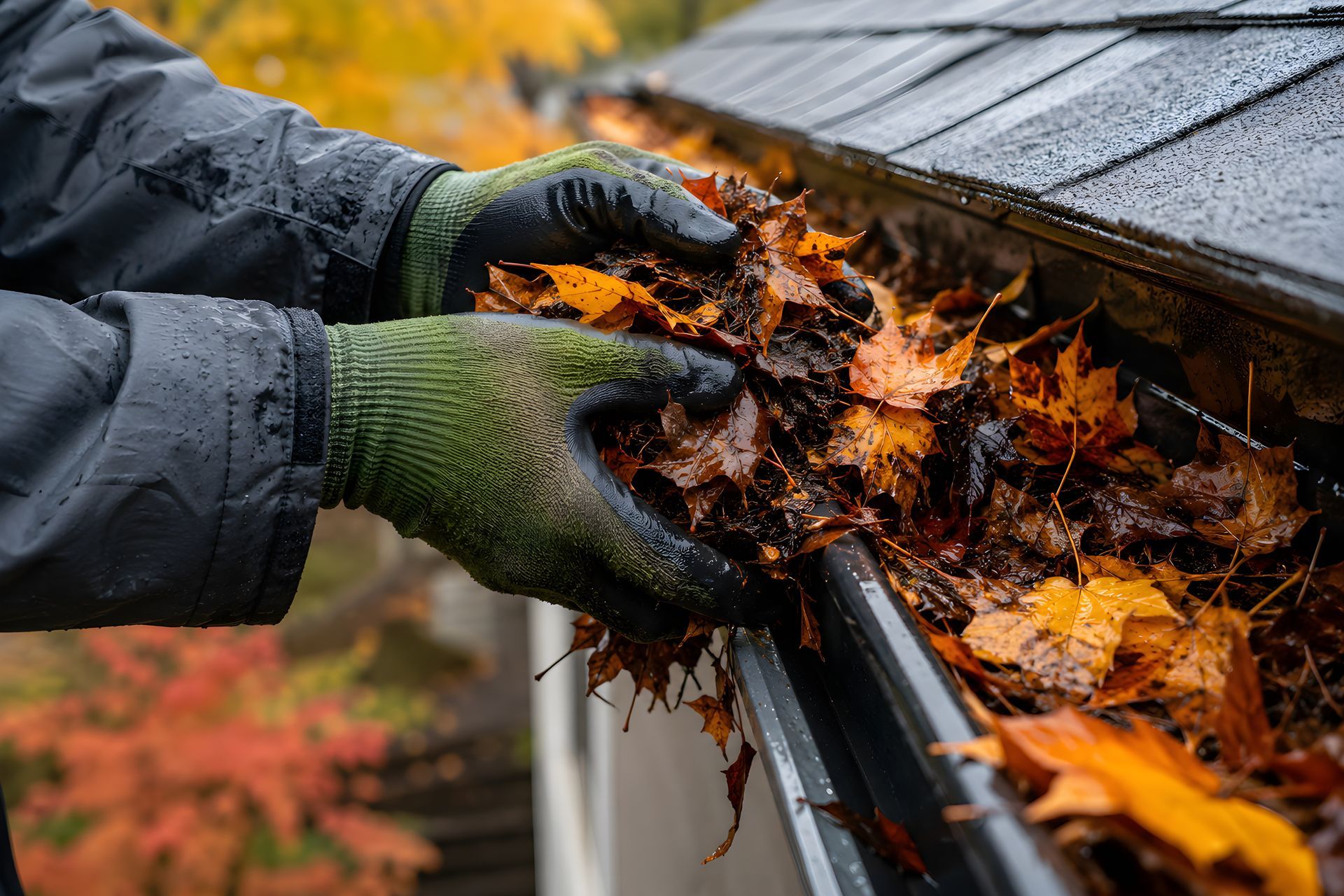
Clogged, damaged, or poorly positioned gutters may allow water to overflow against exterior walls. Downspouts that discharge too close to the foundation or siding can also expose the wall to excessive moisture.
Wind-driven rain can create additional challenges by forcing water into small gaps, joints, and vulnerable transitions that may not experience the same exposure during ordinary rainfall.
What Contractors May Find When Siding Comes Off
Water damage behind siding is often difficult to fully evaluate from the exterior. When damaged siding is removed, contractors may discover rotted sheathing, deteriorated framing, wet insulation, damaged housewrap, mold growth, or evidence of long-term moisture exposure.
The extent of the damage can be surprising because the visible siding may only represent the outermost portion of a larger problem.
That is why replacing deteriorated siding or sheathing without correcting the source of the water intrusion can be a costly mistake. If the same flashing, drainage, or installation problem remains, the replacement materials may eventually experience the same moisture exposure.
Protect Your Kalamazoo Home With Properly Installed Siding
Water damage behind siding should not be treated as a cosmetic issue. Finding and correcting the source of the moisture is essential for protecting your home's exterior and underlying structure.
Contact our siding and exterior repair professionals at Advantage Roofing & Exteriors today at (269) 372-1691 to schedule an inspection and find out what may be happening behind your siding.