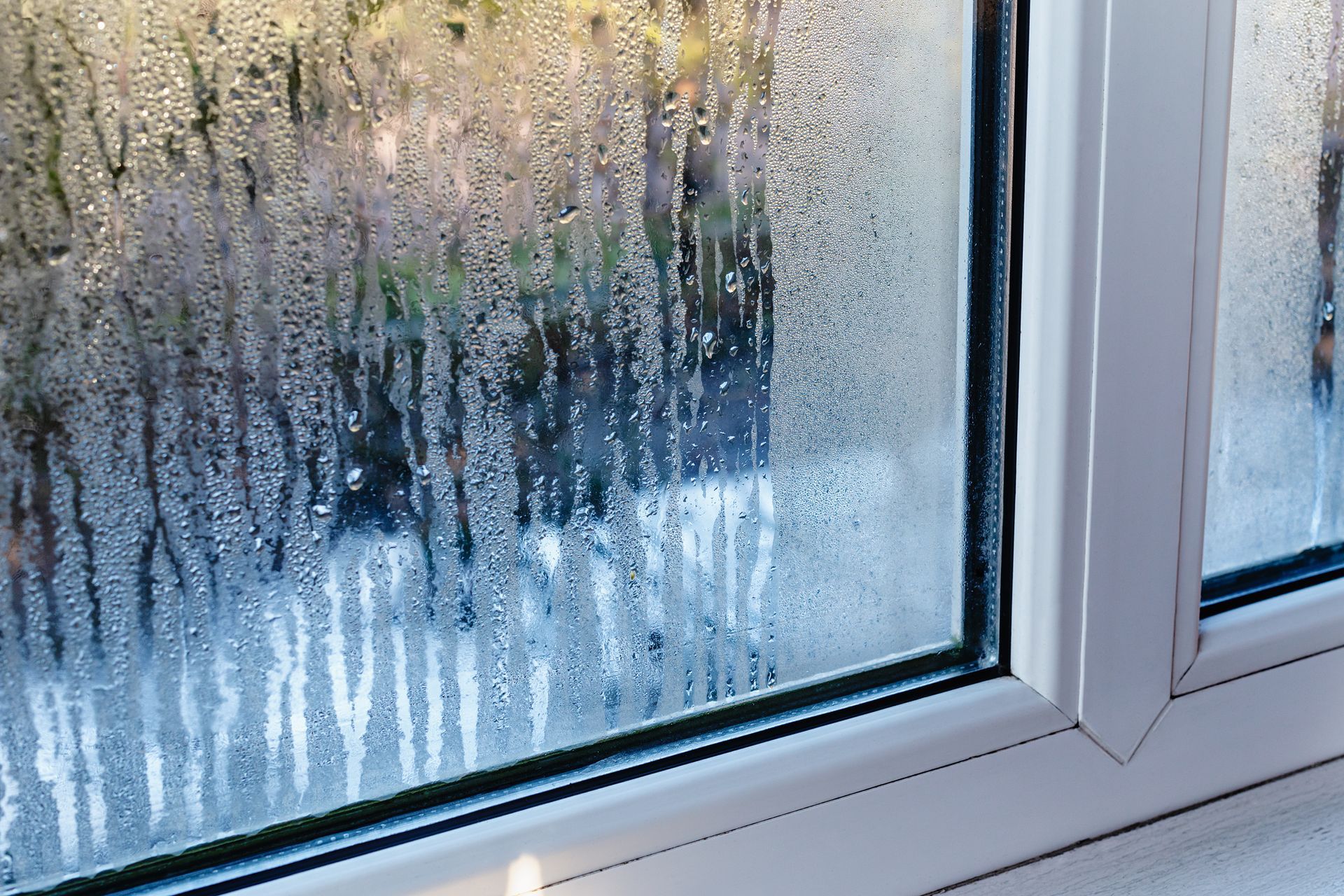
Can Heavy Summer Rain Cause Roof Leaks Even If Your Roof Isn't Damaged?
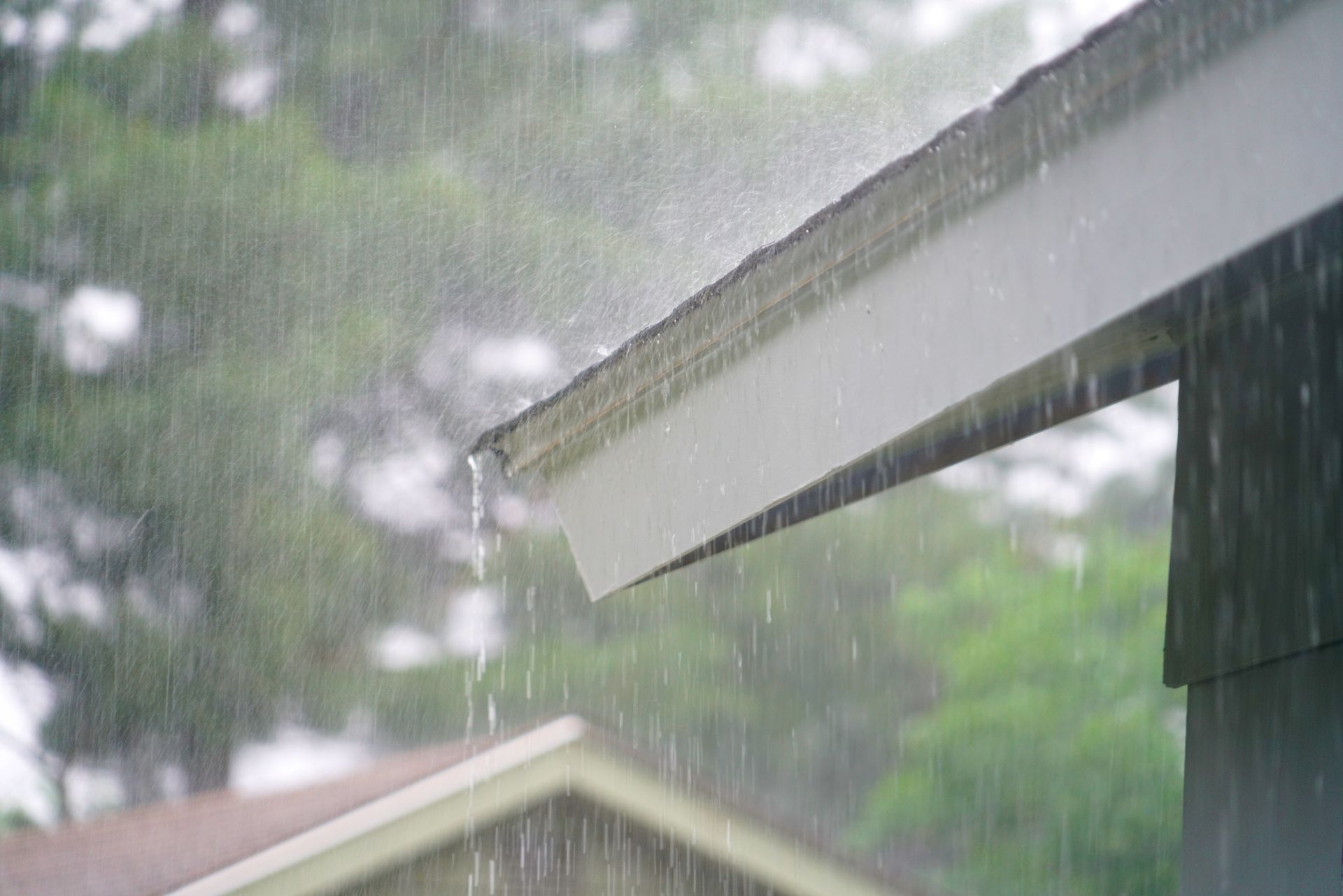
Heavy summer rain can sometimes expose weaknesses that weren't noticeable during lighter storms. In fact, it's possible for water to enter your home even if your roof appears to be in good condition from the ground.
Summer thunderstorms in West Michigan can bring intense rainfall and strong winds. These conditions can expose small vulnerabilities in an otherwise sound roofing system, allowing water to enter where flashing, sealants, or other roof details have begun to deteriorate.
Heavy Rain Can Exploit Small Weaknesses
A roof doesn't have to suffer catastrophic damage to develop a leak. Over time, normal aging, seasonal expansion and contraction, and everyday weather exposure can create tiny openings where water can enter.
During an ordinary rain shower, these weak spots may never allow enough water inside to cause noticeable problems. But when several inches of rain fall in a short period, water has more time and pressure to work its way through even the smallest gaps.
Flashing Problems Are a Common Cause
Flashing is the metal material installed around chimneys, skylights, roof vents, valleys, and where different roof sections meet. Its job is to direct water away from vulnerable areas.
Over the years, flashing can loosen, shift, corrode, or separate from the roofing materials without creating any obvious visual damage.
When heavy rain pours over these areas, water can slip beneath the flashing and enter the roof structure. Since flashing problems are often difficult to see from the ground, professional inspections are valuable for identifying issues before they become serious.
Clogged Gutters Can Force Water Backward
Leaves, pine needles, seed pods, and other debris can clog gutters and downspouts, preventing rainwater from draining properly. During heavy summer downpours, overflowing gutters can cause water to back up beneath the edge of the roofing materials.
Once water begins flowing underneath shingles instead of off the roof, leaks can quickly develop inside the home.
Regular gutter cleaning is one of the simplest ways to reduce this risk.
Aging Roofing Materials Become Less Water Resistant
Asphalt shingles gradually lose their protective granules through years of exposure to sunlight, heat, rain, and changing temperatures. Sealants around vents and flashing also become brittle as they age.
Eventually, heavy rain can overwhelm these aging materials, allowing moisture to penetrate areas that previously remained watertight.
This doesn't necessarily mean you need a full roof replacement, but it may indicate that repairs or maintenance are needed.
Wind-Driven Rain Is Especially Challenging
Strong winds can push rain sideways or even upward beneath shingles, flashing, and roof edges. This is known as wind-driven rain, and it often finds pathways that normal rainfall never reaches.
A roof that performs perfectly during typical rainfall may leak during severe thunderstorms simply because rain is entering from unusual angles.
Hidden Damage May Already Exist
Previous hailstorms, fallen tree limbs, or earlier wind events may have loosened shingles or damaged underlayment without creating obvious signs. The roof may continue functioning normally until a particularly heavy rainfall finally exposes the hidden weakness.
That's why homeowners are sometimes surprised when leaks suddenly appear after a storm, even though the roof looked perfectly fine beforehand.
Check Inside Your Home, Too
After a major summer storm, don't just inspect your roof from outside. Look throughout your home for signs of moisture, including:
- Water stains on ceilings
- Damp attic insulation
- Peeling paint
- Bubbling drywall
- Musty odors
- Discoloration around light fixtures or vents
Catching a small leak early can prevent mold growth, damaged insulation, wood rot, and expensive interior repairs.
Preventive Roof Inspections Make a Difference
Professional roof inspections can identify worn flashing, loose shingles, deteriorating sealants, drainage issues, and other small problems before they allow water into your home. Addressing these issues early is often far less expensive than repairing water damage after a leak develops.
If your roof is more than a few years old or your area has experienced several recent storms, scheduling an inspection can provide valuable peace of mind before the next heavy rainfall arrives.
Trust Our Team to Keep Your Home Protected
If you've noticed water stains, suspect a roof leak, or simply want to make sure your roof is ready for the next summer storm, Advantage Roofing & Exteriors is here to help.
Contact us at (269) 213-8737 to schedule your professional roof inspection and stay ahead of costly water damage.