Why Roof Flashing Often Leaks Before the Shingles Wear Out
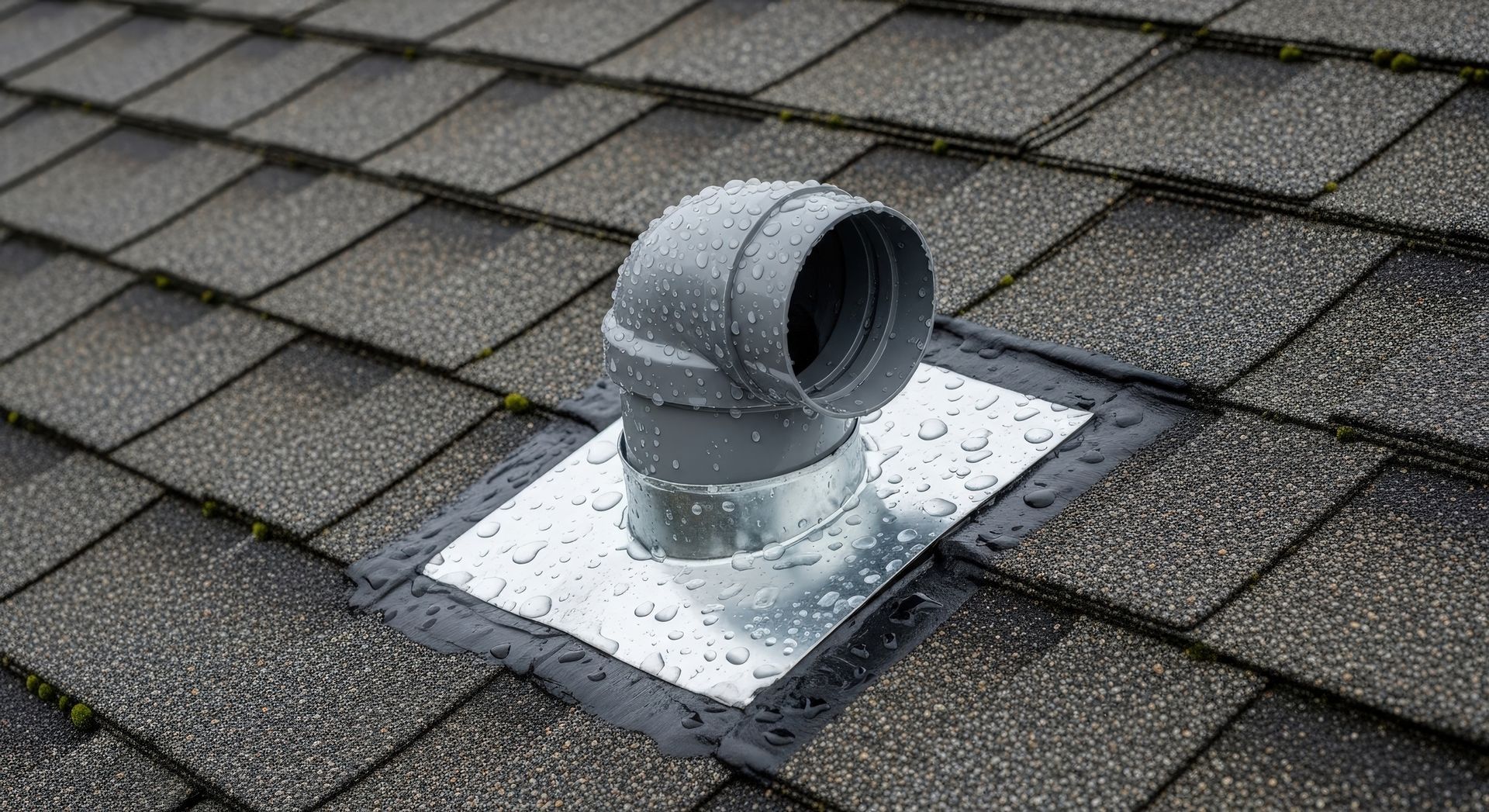
When homeowners notice a roof leak, their first thought is often that the shingles have reached the end of their lifespan. However, shingles are not always the source of the problem. In many cases, water enters through damaged or deteriorating roof flashing long before the surrounding shingles show significant wear.
This can be a particular concern in West Michigan, where repeated freezing and thawing can widen existing gaps around flashing and contribute to leaks.
What Is Roof Flashing, and Why Does It Matter?
Roof flashing consists of thin pieces of metal or other water-resistant materials installed around roof transitions and penetrations. Its primary purpose is to guide rainwater away from seams, joints, and openings that could otherwise allow moisture beneath the roofing materials.
Shingles protect the broad, open areas of a roof, but they cannot provide the same protection at every transition. Flashing creates an additional barrier in locations where water is more likely to collect, flow against a vertical surface, or find a gap.
Depending on the roof's design, flashing may be installed around chimneys, plumbing vents, skylights, dormers, and the points where a roof meets an exterior wall. When these components deteriorate or become improperly sealed, water can work its way into the roof assembly even when the surrounding shingles remain in good condition.
Why Flashing Can Fail Before Shingles
Roofing materials experience different types of wear. Asphalt shingles are designed to withstand years of exposure to sunlight, rain, wind, snow, and ice. Flashing, meanwhile, must accommodate movement, protect seams, and manage water around complicated roof details.
Several factors can cause flashing to fail prematurely.
- Constant expansion and contraction: Roofing materials and metal flashing expand and contract as temperatures change. West Michigan's repeated freeze-thaw cycles can place additional stress on joints and sealants, while water freezing in existing gaps can cause those openings to widen.
- Deteriorating sealants: Some flashing installations rely on sealants at specific joints. These materials can dry out, crack, or lose adhesion after prolonged exposure to weather. Reapplying caulk without addressing an underlying installation problem may only provide a temporary solution.
- Corrosion and physical damage: Metal flashing can develop corrosion over time, particularly where moisture becomes trapped or protective coatings deteriorate. Strong winds, falling branches, sliding snow and ice, foot traffic, and previous roofing work can also bend or dislodge flashing.
- Improper installation: Flashing must be integrated correctly with the shingles and other roofing components. Poorly positioned pieces, inadequate overlaps, exposed fasteners, or incorrect installation around penetrations can create leak pathways even on a relatively new roof.
Where Roof Flashing Leaks Commonly Develop
Certain areas deserve particular attention because their design makes them more vulnerable to water intrusion.
- Chimneys: The junction between a chimney and the roof requires carefully installed flashing. Step flashing, counterflashing, and appropriate water-shedding details work together to keep rain out. Damaged metal, deteriorated mortar joints, or improperly installed flashing can allow water to enter around the chimney.
- Roof-to-wall transitions: Where shingles meet siding or masonry, flashing must direct water down and away from the joint. Missing or incorrectly integrated step flashing can let water slip behind the exterior wall materials.
- Dormers: Dormers introduce additional roof angles and wall intersections. These transitions require multiple flashing components, creating more opportunities for leaks when installation or maintenance is neglected.
- Plumbing vents and other penetrations: Vent pipes often have flashing boots or metal assemblies that seal around the opening. Rubber components can crack with age, while metal flashing can loosen or become damaged.
Why Fall Rain Can Reveal Hidden Flashing Problems
Repeated rainfall can expose weaknesses in the roof's ability to direct water away from seams and transitions.
Wind-driven rain can be particularly challenging because it may push water against areas that receive less direct exposure during ordinary conditions.
Homeowners should watch for ceiling stains, damp attic insulation, peeling paint near exterior walls, musty odors, or moisture around chimneys and skylights. These symptoms do not automatically indicate a flashing problem, but they warrant further investigation.
Professional Roof Inspections Can Prevent Bigger Problems for West Michigan Roofs
Whether you have noticed a ceiling stain after a storm or are concerned about aging flashing, Advantage Roofing & Exteriors can help identify the problem and recommend an appropriate solution.
If you suspect your flashing is leaking, call us at (269) 372-1691 for a professional roof inspection.