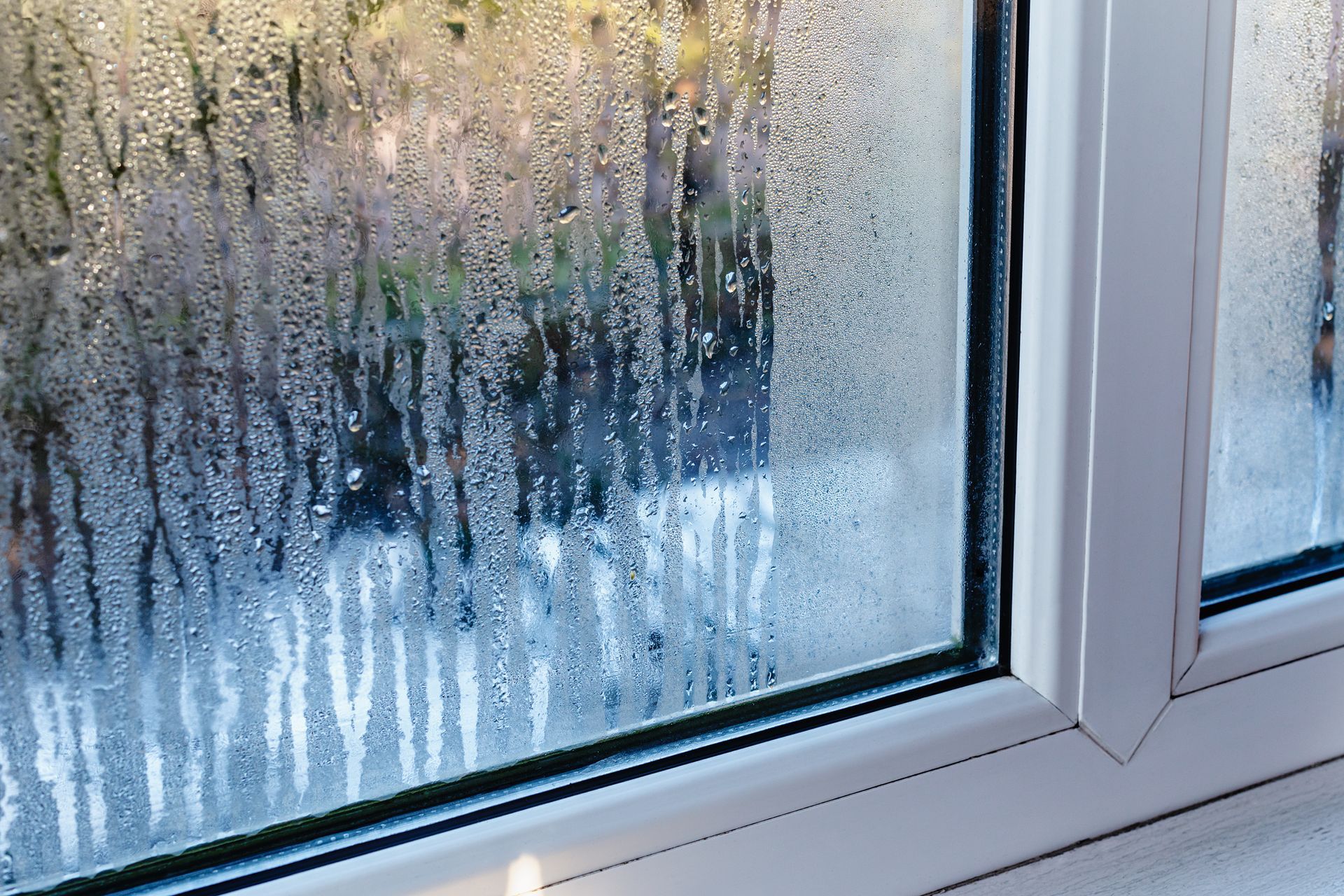
Why “More Vents” Can Backfire Without Balance
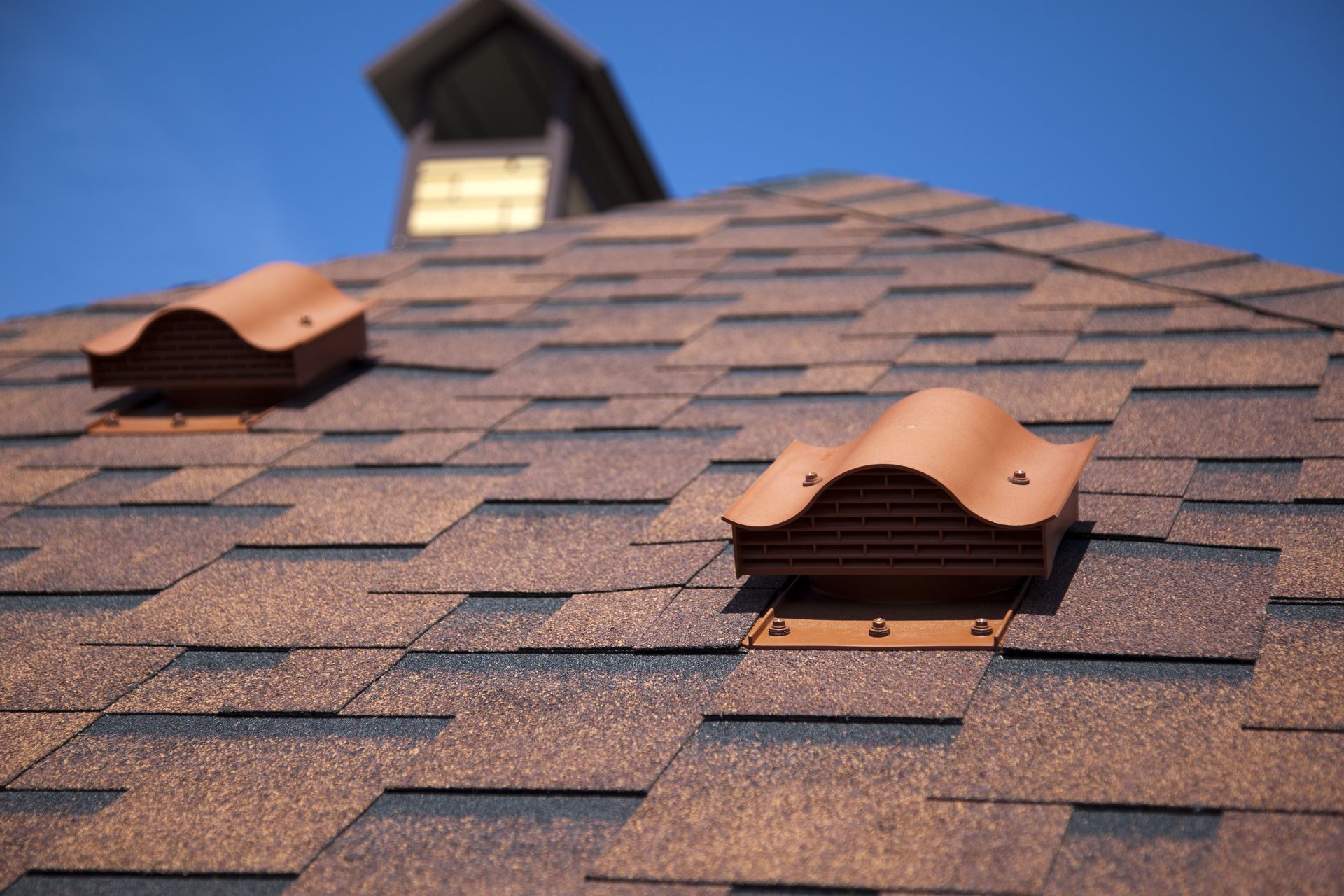
Roof ventilation is often recommended as a solution for attic frost, condensation, or ice dams. But adding more vents to a West Michigan roof does not automatically improve airflow. Proper attic ventilation depends on balanced intake and exhaust, not simply increasing the number of openings in the roof.
The Basics: Intake vs. Exhaust Ventilation
A healthy attic ventilation system functions like a continuous air cycle.
Intake vents are typically located along the soffits at the lower edge of the roof. These vents allow fresh, outside air to enter the attic.
Exhaust vents are positioned higher up, often at the ridge or near the peak. These vents allow warm, moist air to exit.
For proper airflow, intake and exhaust must promote a consistent, controlled movement of air across the underside of the roof deck.
What Happens When You Add Too Much Exhaust
Some homeowners want more exhaust vents due to the real risks posed by excess attic humidity. Unfortunately, adding additional ridge vents or box vents without increasing intake can have unintended consequences.
When exhaust capacity exceeds intake capacity, the attic begins to pull air from wherever it can find it. That often means drawing air from:
- Gaps in ceiling penetrations
- Recessed lighting fixtures
- Attic hatches
- Bathroom or kitchen vent leaks
- Wall cavities
This pressure imbalance can increase heat loss and pull warm, moisture-laden indoor air into the attic. During winter, that air contacts cold roof decking and condenses, contributing to frost and long-term moisture problems.
Signs of Ventilation Imbalance in Kalamazoo Attics
- Frost buildup on the underside of roof decking
- Damp insulation in winter
- Ice dams forming along roof edges
- Musty attic odors
- Uneven roof temperatures
- Visible mold on rafters or sheathing
These symptoms often indicate air movement problems rather than insufficient vent quantity.
Why Winter Makes Imbalance Worse
In colder months, temperature differences between inside and outside are greater. Warm indoor air rises naturally through a process called stack effect. If attic ventilation is unbalanced, that rising air is pulled into the attic more aggressively.
Later, when temperatures warm even slightly, frost melts and can drip onto insulation and drywall. This often leads homeowners to believe they have a roof leak, when in reality the issue is ventilation imbalance combined with air leakage.
Adding more vents without addressing intake and air sealing can intensify this cycle.
The Myth of “More Is Better”
Building science guidelines typically recommend a balanced ratio of intake to exhaust, often aiming for roughly equal net free vent area between the two.
If a roof has multiple exhaust vent types working simultaneously, such as ridge vents combined with gable vents and box vents, they can compete with each other. Instead of creating a smooth upward airflow, air may short-circuit between vents, reducing overall effectiveness.
More vents can mean more confusion in airflow patterns.
Without proper planning, ventilation changes may disrupt an otherwise functional system.
What a Proper Winter Ventilation Evaluation Includes
A professional winter ventilation assessment looks beyond simply counting vents. A thorough evaluation includes:
- Measuring intake and exhaust vent capacity
- Inspecting soffit vents for blockage by insulation
- Checking for proper baffles that maintain airflow from soffits to ridge
- Evaluating attic air sealing around penetrations
- Inspecting insulation depth and coverage
- Identifying moisture sources such as improperly vented bathrooms
The goal is to understand how air actually moves through the attic, not just how many vents are present.
Often, the solution involves improving intake, clearing blocked pathways, sealing air leaks, or adjusting exhaust configuration rather than adding additional vents.
Our Kalamazoo Roofers Can Recommend a Balanced Solution That Focuses First on Correction
Adding more vents for the sake of it is not how our roofing and insulation professionals operate. Instead, we’ll carefully evaluate your entire attic ventilation system, explain what’s going on in clear terms, and provide measured recommendations.
If you are experiencing attic condensation, winter frost, ice dams, or unexplained moisture issues, contact Advantage Roofing & Exteriors today at (269) 372-1691 for a comprehensive ventilation evaluation.