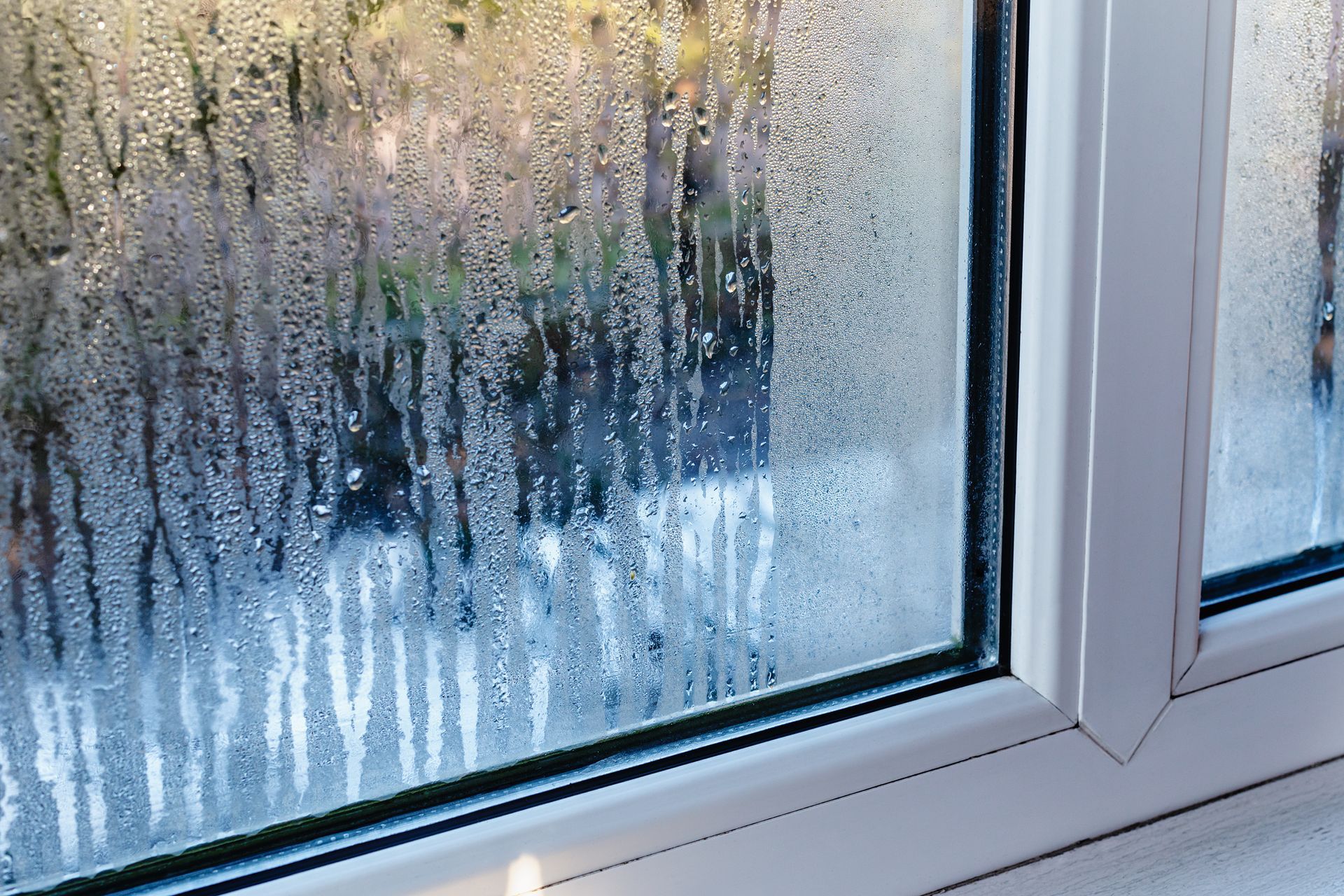
When a Small Gap in Siding Becomes a Moisture Highway
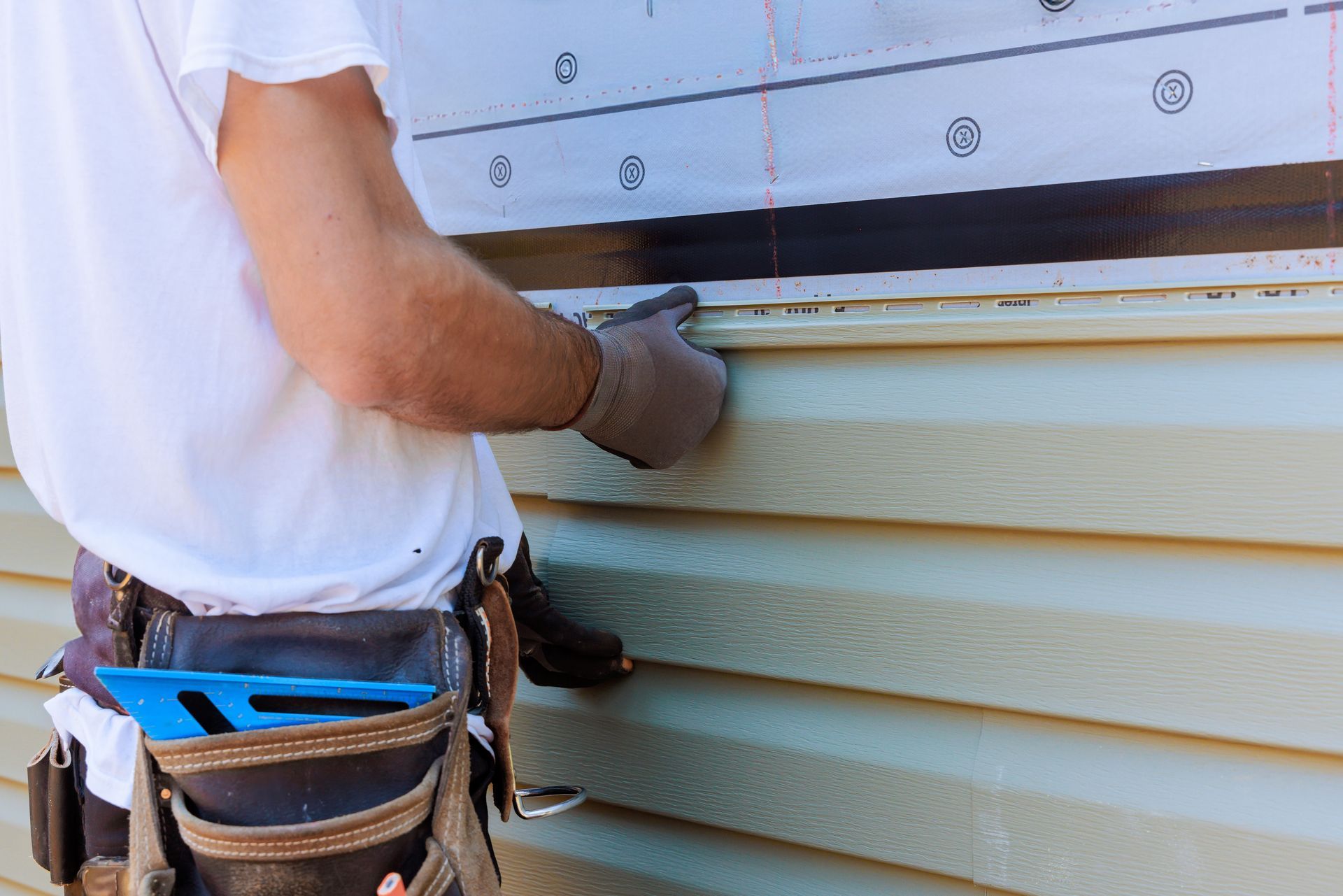
Frigid West Michigan winter temperatures cause siding materials to contract. When the sun warms the surface of your home’s siding during the day, it expands again. That repeated movement stresses seams, corners, and transition points. Over time, weak spots widen just enough to allow moisture intrusion. Once water gets behind siding, it rarely stays contained.
Why Winter Makes Small Siding Gaps Worse
All exterior materials move with temperature changes. Vinyl contracts significantly in cold weather. Wood shrinks as moisture levels drop. Fiber cement is more dimensionally stable but can still experience minor seasonal movement.
Winter doesn’t just cause contraction. Dry air, wind pressure, and freeze-thaw cycling all increase stress on seams, joints, and fasteners, turning minor gaps into pathways for moisture. What looked like a harmless hairline seam in fall can become an entry point for water by mid-winter.
The danger is not just rain. Snow that melts and refreezes, frost buildup, and condensation can all introduce moisture behind siding panels. Once water is trapped, it may not dry properly in cold temperatures.
Where Moisture Highways Usually Start
- Corners where siding meets corner boards
- Horizontal butt joints between siding planks
- Gaps around windows and doors
- Utility penetrations such as vents and hose bibs
- Roof-to-wall intersections
- Areas where caulking has cracked or pulled away
These are stress points. They are also the places where flashing, sealants, and trim details must work together correctly.
If even one layer fails, water can slip behind the surface and travel along sheathing and framing. It may move downward or sideways before showing visible damage.
How Moisture Damage Spreads
Moisture behind siding does not always exhibit obvious symptoms you can see from the exterior of your home. Instead, it can:
- Soak sheathing and cause swelling
- Saturate insulation and reduce energy efficiency
- Promote mold growth inside wall cavities
- Damage structural framing
- Loosen fasteners and warp siding panels
By the time bubbling paint or soft trim appears, damage may have been developing for months.
Should You Repair or Replace Siding Exhibiting Gaps?
The answer depends on three key factors.
1. Scope of the Gap
If the issue is isolated to one seam, one corner, or one penetration, targeted repair is often sufficient. This may include resealing joints, replacing a damaged section, or improving flashing integration.
However, if gaps appear across multiple elevations or widespread caulk failure is visible, it may indicate systemic aging.
2. Underlying Moisture Condition
Surface gaps are one thing. Hidden water damage is another.
If inspection reveals soft sheathing, mold, or rot behind siding, patchwork repairs may only delay further deterioration. At that point, selective section replacement or broader siding replacement may be more cost-effective long term.
3. Age and Material Condition
Older siding systems lose flexibility and weather resistance. Vinyl becomes brittle. Wood may suffer repeated paint failure. Fiber cement can crack if improperly installed.
If the siding is nearing the end of its service life, addressing isolated gaps may not prevent future failures. Replacement can improve moisture resistance, energy efficiency, and long-term siding integrity.
Signs You Should Act Before Spring
Waiting until spring can make damage worse. As temperatures in Kalamazoo rise, trapped moisture accelerates rot and mold growth. Consider scheduling an inspection if you notice:
- Visible separation at seams or corners
- Cracked or missing caulking
- Soft trim or spongy areas near the base of walls
- Interior paint bubbling or staining
- Persistent drafts near exterior walls
Early action often means simpler repairs.
The Cost of Waiting
Spring rains amplify winter damage. Gaps that allowed minor moisture intrusion during cold months can become full pathways during heavy rainfall. These gaps are likely to widen over time, not shrink.
A small winter repair might involve resealing and minor flashing adjustments. Left unaddressed, the same gap can lead to rotted trim, deteriorated sheathing, wet insulation, and more extensive siding removal.
Protect Your Home With Our High-Quality Siding Services in West Michigan
If your siding is otherwise in good condition, targeted sealing at seams, corners, or around penetrations is often enough to prevent further moisture intrusion. When siding is older, multiple panels are damaged, or replacing just one or two would leave the exterior looking patchy, full siding replacement may be the more practical long-term solution.
If you have noticed gaps in your siding this winter or want peace of mind before spring rains arrive, contact Advantage Roofing & Exteriors today to schedule a professional exterior inspection. Call (269) 372-1691 to get started.