Attic Frost Now, Mold Later: How to Spot Condensation Patterns Before the Spring Thaw
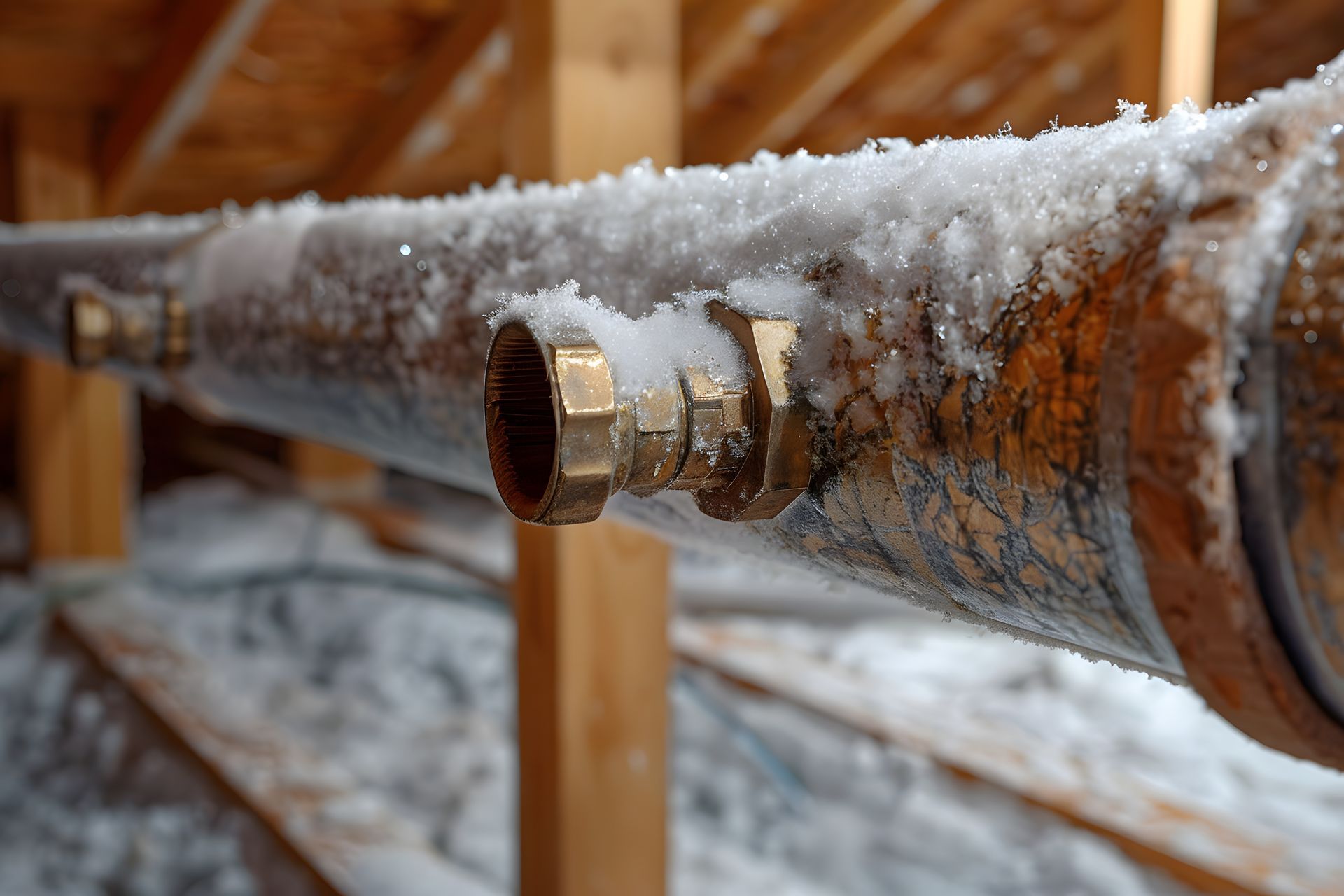
Attic frost is a symptom of excess attic humidity. It forms when warm indoor air escapes into the attic and freezes against cold roof decking and framing. As temperatures fluctuate throughout winter in West Michigan, that frost melts and refreezes, wetting insulation and structural components in repeated cycles.
Unresolved humidity issues that cause attic frost in Kalamazoo homes can lead to saturated insulation, compromised sheathing, and conditions that allow mold to take hold long before spring arrives.
Why Attic Frost Forms in the First Place
During winter, warm indoor air naturally rises, pushing air upward through ceilings and into the attic. If that air contains moisture from daily activities such as cooking, showering, or laundry, it carries humidity with it.
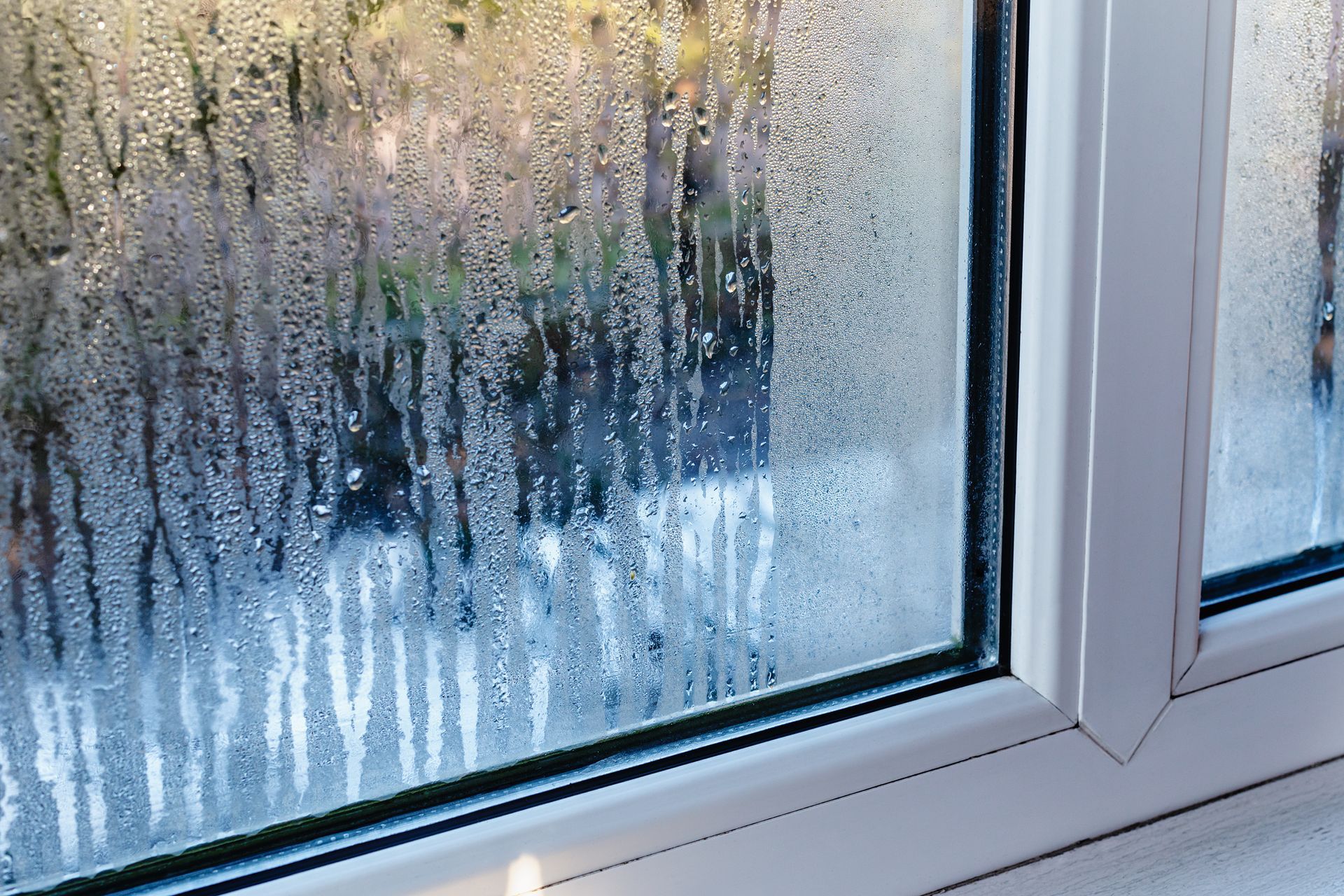
When that warm, moist air meets cold roof sheathing or exposed nails, condensation forms. In freezing temperatures, that condensation turns into frost.
Early Signs of Attic Humidity Problems in Kalamazoo Homes
Frost on Roofing Nails
One of the most common signs is frost buildup on the tips of roofing nails protruding through the roof deck. Nails conduct cold temperatures efficiently, making them prime surfaces for condensation to freeze.
Clusters of frosted nails often indicate elevated humidity levels in the attic.
Frost or Crystals on Sheathing
White frost patterns along roof decking panels, particularly near the ridge or upper slopes, signal warm air accumulation. Uneven frost concentration can also reveal where air leakage is strongest.
Musty Odors
A persistent musty smell inside the attic or in upper living spaces may suggest that moisture has already begun affecting wood or insulation. Odors often appear before visible mold growth.
Damp or Compressed Insulation
Insulation that appears flattened, heavy, or damp may have absorbed meltwater from previous frost cycles. Wet insulation loses effectiveness and can trap additional moisture.
The Typical Causes Behind Attic Condensation
Air Leakage from Living Spaces
Small openings in ceilings allow warm air to escape into the attic. Common leakage points include:
- Recessed lighting fixtures
- Attic access hatches
- Electrical wiring penetrations
- Plumbing stacks
- Duct chases
Even small gaps can allow significant moisture movement during winter.
Improperly Vented Bath Fans
Bathroom exhaust fans that vent into the attic instead of outdoors can release high volumes of humid air directly into the space. This dramatically increases condensation risk.
A properly installed exhaust fan should vent through the roof or exterior wall and never terminate inside the attic.
Insulation Gaps or Inadequate Coverage
Insulation helps maintain a consistent temperature between living spaces and the attic. Gaps, thin areas, or compressed insulation allow heat to escape more easily. That escaping heat melts snow on the roof unevenly and increases condensation potential inside.
Uneven insulation often corresponds with concentrated frost patterns.
Ventilation Imbalance
Although ventilation alone does not solve air leakage issues, inadequate or unbalanced attic ventilation can trap moisture longer than necessary. Proper intake and exhaust airflow helps remove humid air before it condenses.
Why Spring Makes the Problem Worse
Throughout winter, attic frost forms, melts, and refreezes as temperatures fluctuate. That repeated moisture cycling can gradually wet insulation and framing, even if it goes unnoticed.
Extended warming periods in late winter and early spring can make the situation worse. When accumulated frost melts over several consecutive mild days, liquid water can saturate attic materials without refreezing. That water can:
- Soak insulation
- Stain ceiling drywall
- Promote mold growth on sheathing
- Weaken roof decking and encourage wood rot
Improve Roof Ventilation Before Moisture Becomes a Long-Term Issue in Your West Michigan Home
Attic frost is often a sign that your roof ventilation system isn’t performing the way it should. When intake and exhaust airflow are unbalanced, warm interior air can linger in the attic, creating the condensation patterns that lead to frost, damp insulation, and mold-prone conditions.
If you suspect your attic may be under-ventilated, Advantage Roofing & Exteriors can evaluate your roof’s ventilation design and recommend improvements where needed. Call (269) 372-1691 to schedule a roof and ventilation assessment.