What Causes Roof Leaks After Snowmelt and How Roofers Find the Source

Many Kalamazoo and West Michigan homeowners first notice roof leaks when winter snow and ice begin to melt. During the colder months, snow can sit on the roof for extended periods while freeze–thaw cycles stress shingles, flashing, and roof penetrations. Once temperatures rise and meltwater begins flowing across the roof surface, that water may find openings where it can enter the roof system.
Why Roof Leaks Often Appear When Snow Begins to Melt
During winter, roofs are exposed to repeated temperature swings, snow accumulation, and freeze–thaw cycles. As materials expand and contract, small shifts can occur in flashing, sealants, and fasteners. Moisture that enters tiny gaps may freeze and expand, gradually widening those openings.
These stresses can compromise the watertight seals around key roof components. Once snow begins to melt and water starts flowing across the roof surface, that water can follow flashing lines or seams and eventually enter the roof system.
The Most Common Causes of Roof Leaks After Winter Snow and Ice Thaws
Ice Dam Water Intrusion
Ice dams form when melting snow refreezes along colder roof edges. Water trapped behind the ice barrier can be forced underneath shingles and along flashing lines.
Even after the ice dam disappears, the roof may continue leaking as remaining snow and ice melt and water continues moving through the compromised area.
Flashing Around Chimneys, Walls, and Skylights
Flashing protects the seams where roofing meets vertical structures. Meltwater can follow damaged flashing joints and seams directly into the roof.
Because these transitions interrupt the normal flow of water down the roof, they are one of the most common locations where leaks develop.
Roof Penetrations and Vent Boots
The small openings through the roofing system for plumbing vents, exhaust vents, and other roof penetrations require proper flashing to prevent water intrusion.
Rubber vent boots and flashing around these penetrations may crack or loosen over time. When snow melts, water can collect around these components and enter through small gaps.
Roof Valleys Carrying Heavy Meltwater
Roof valleys channel water from two roof planes into a single drainage path. These areas can carry large volumes of water during when snow melts.
If shingles in the valley are worn or the valley flashing has been compromised, water can quickly penetrate the roof system.
Less Common but Still Possible Leak Risks
Fasteners or Nails That Backed Out Over Winter
Freeze–thaw cycles can cause slight movement in roofing materials. In some cases, fasteners may lift slightly or seal strips may loosen.
These small openings may allow meltwater to follow the nail path into the roof deck.
Gutter or Roof Edge Water Backup
When gutters are clogged with debris or frozen during winter, meltwater may not drain properly, causing water to back up along the roof edge and work its way under the first course of shingles.
Not a Leak but Often Mistaken for One
Attic Condensation
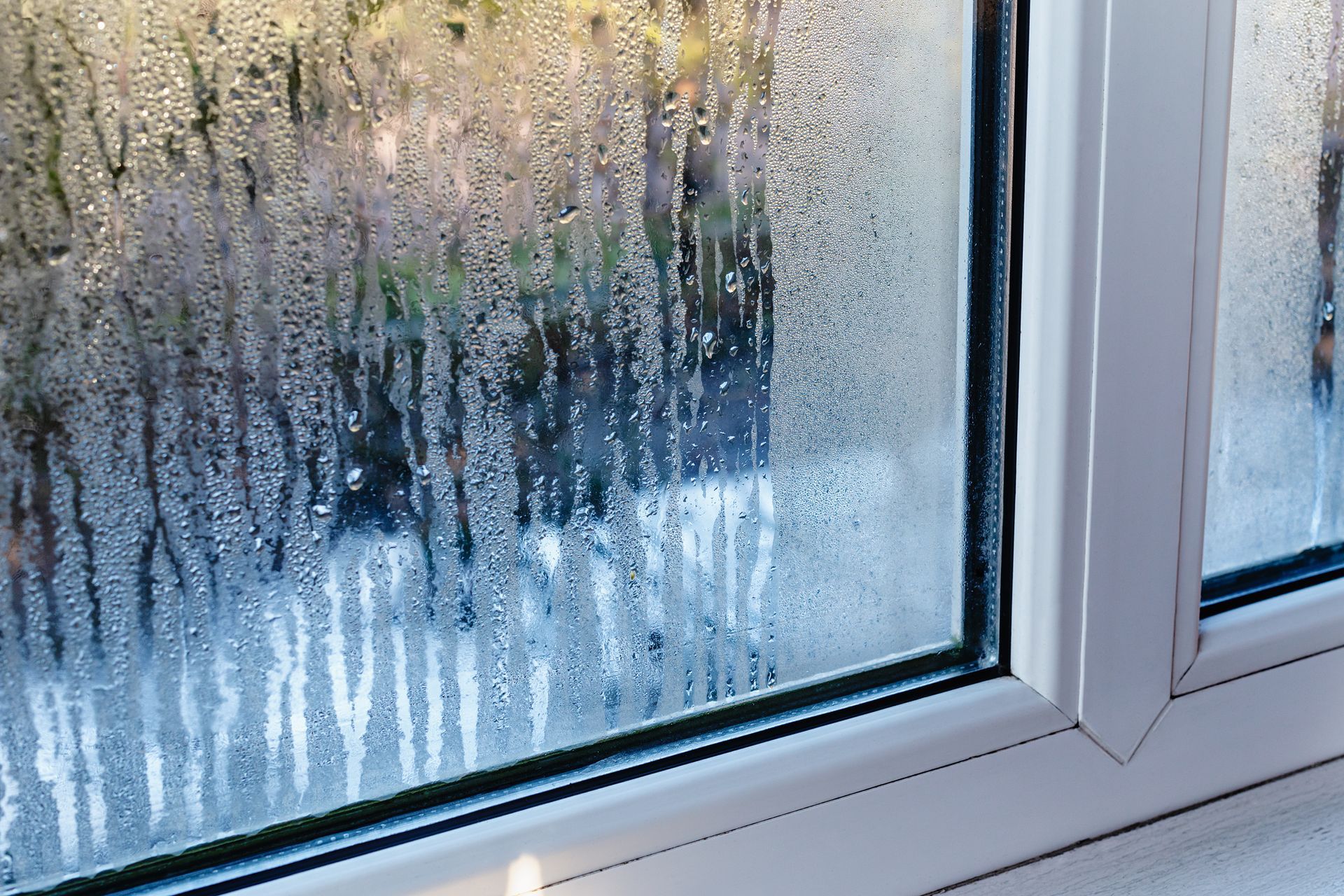
Without properly balanced ventilation, warm indoor air can rise into the attic and condense on the underside of the roof deck during winter. When temperatures warm up, that moisture may drip down and resemble a roof leak.
Because the symptoms can look similar to a roof leak, a professional roof inspection is often needed to determine whether the issue is related to the roof or attic ventilation.
Why Roof Leaks Are Often Hard to Locate
The visible ceiling stain does not always match the exact location where water entered the roof because water rarely travels straight downward after entering a roof. Instead, it often moves along roof decking, rafters, insulation, or drywall before appearing inside the home.
How Roofers Identify the Source of a Roof Leak
Exterior Roof Inspection
Roofers typically begin by examining areas where leaks commonly occur, including flashing lines, valleys, roof penetrations, and shingle seams.
They look for lifted shingles, exposed fasteners, damaged flashing, or deteriorated sealants.
Water Flow Evaluation
Roofers often analyze how water moves across the roof surface during rain or snowmelt. Understanding the roof’s drainage patterns can help narrow down where the leak is most likely starting.
Photo Documentation and Damage Verification
Professional inspections should include photographs of damage. Documenting flashing conditions, shingle wear, or other roofing issues allows roofers to explain the leak source to homeowners and recommend repairs.
Schedule a Professional Roof Inspection in West Michigan
If you notice water stains, ceiling drips, or leaks after snow begins to melt, it is best to have the roof inspected before the problem worsens.
Our team at Advantage Roofing & Exteriors has been serving homeowners across Kalamazoo and West Michigan since 1999. We excel at accurately identifying the source of roof leaks and providing long-term repair solutions.
Call Advantage Roofing & Exteriors at (269) 372-1691 to schedule an inspection or learn more about our residential roofing services.