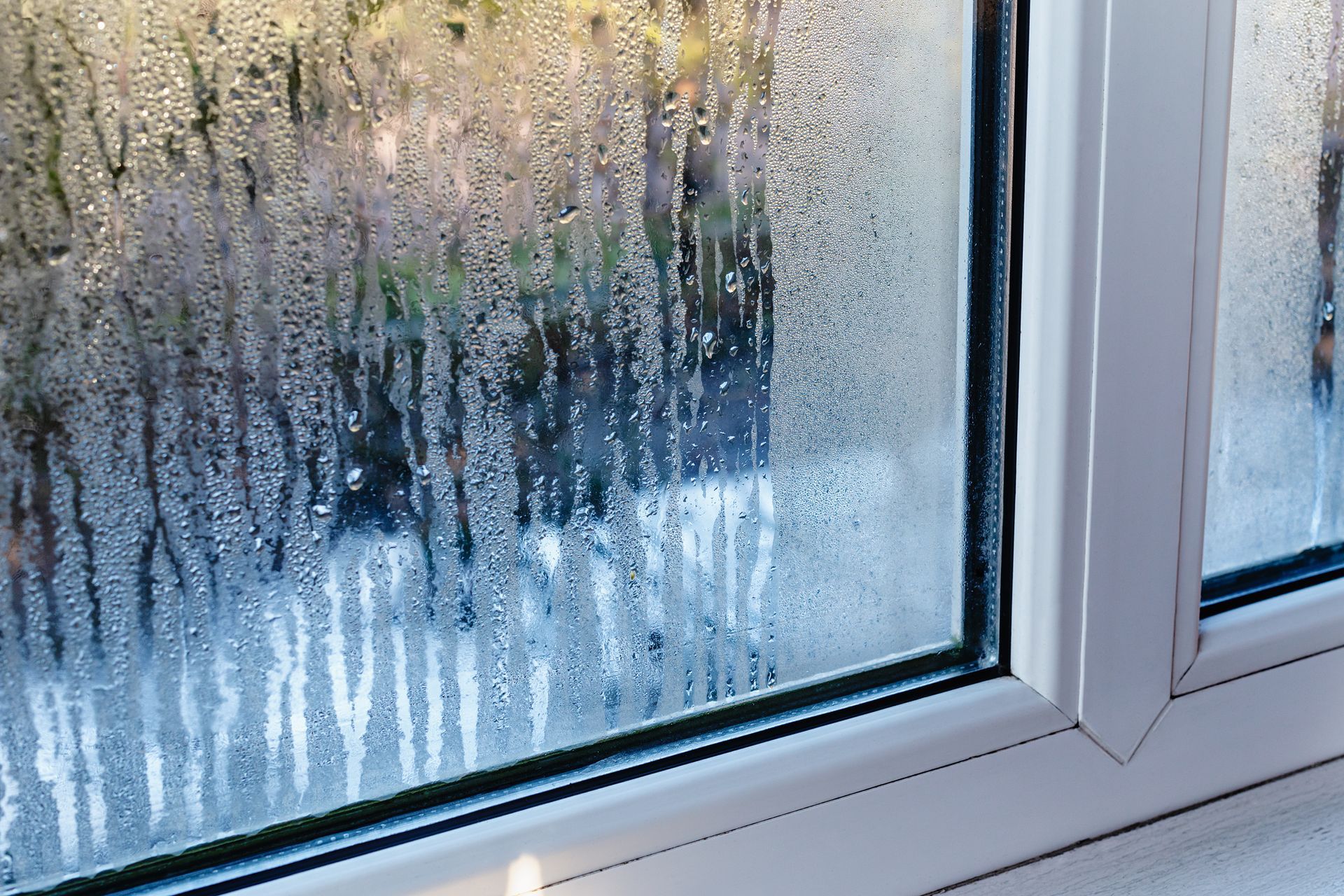
Why Insulation and Ventilation Beat Heat Cables for Ice Dam Prevention in West Michigan
Heat cables show up in big-box stores across West Michigan every winter, marketed as the one-stop solution for ice dams. They promise fast melting and a simple fix for a problem that frustrates homeowners from Kalamazoo to Mattawan.
The sales pitch is appealing to homeowners plagued by persistent ice dam problems. Cables are inexpensive upfront, easy to clip to shingles, and offer the hope of avoiding midwinter leaks.
But the marketing doesn’t list the downsides, like high electricity use, short service life, and safety risks when they age or get buried under heavy snow. They also don’t fix the underlying conditions that create ice dams in the first place, which is why homeowners who rely on them suffer the same problems year after year.
How Ice Dams Form in a West Michigan Winter
Ice dam formation is less about exterior temperature and more about uneven roof deck warming. The stack effect causes warm interior air to move upward. Any pathway that allows that warm air to escape into the attic, such as can lights, open wall chases, leaky ductwork, and bath fans, raises roof deck temperatures and melts the underside of the snow layer.
If attic ventilation is undersized or imbalanced, the problem gets worse. Many homes have exhaust vents without matched intake, leaving soffits stagnant and peaks overheated. That warm section of the roof melts the snow above it, the meltwater runs downward, and it refreezes when it reaches the colder eaves. That refrozen ridge becomes the dam that traps additional meltwater and sends it backward under shingles.
It’s an attic problem, not a roofing-material problem, which is why heat cables applied on top of shingles can’t interrupt the cycle.
What Heat Cables Do
Heat cables create narrow melt channels, but the melted water still refreezes around and beneath them. Meanwhile, electricity use climbs during long cold stretches, and the cables themselves degrade over time. If they cross, pinch, or develop damaged insulation, they can overheat or trip breakers. When snowpack piles over the lines, heat becomes trapped, increasing the strain.
The result is a product that can reduce visible ice but is less effective at preventing leaks.
Insulation Fixes That Help Prevent Dams
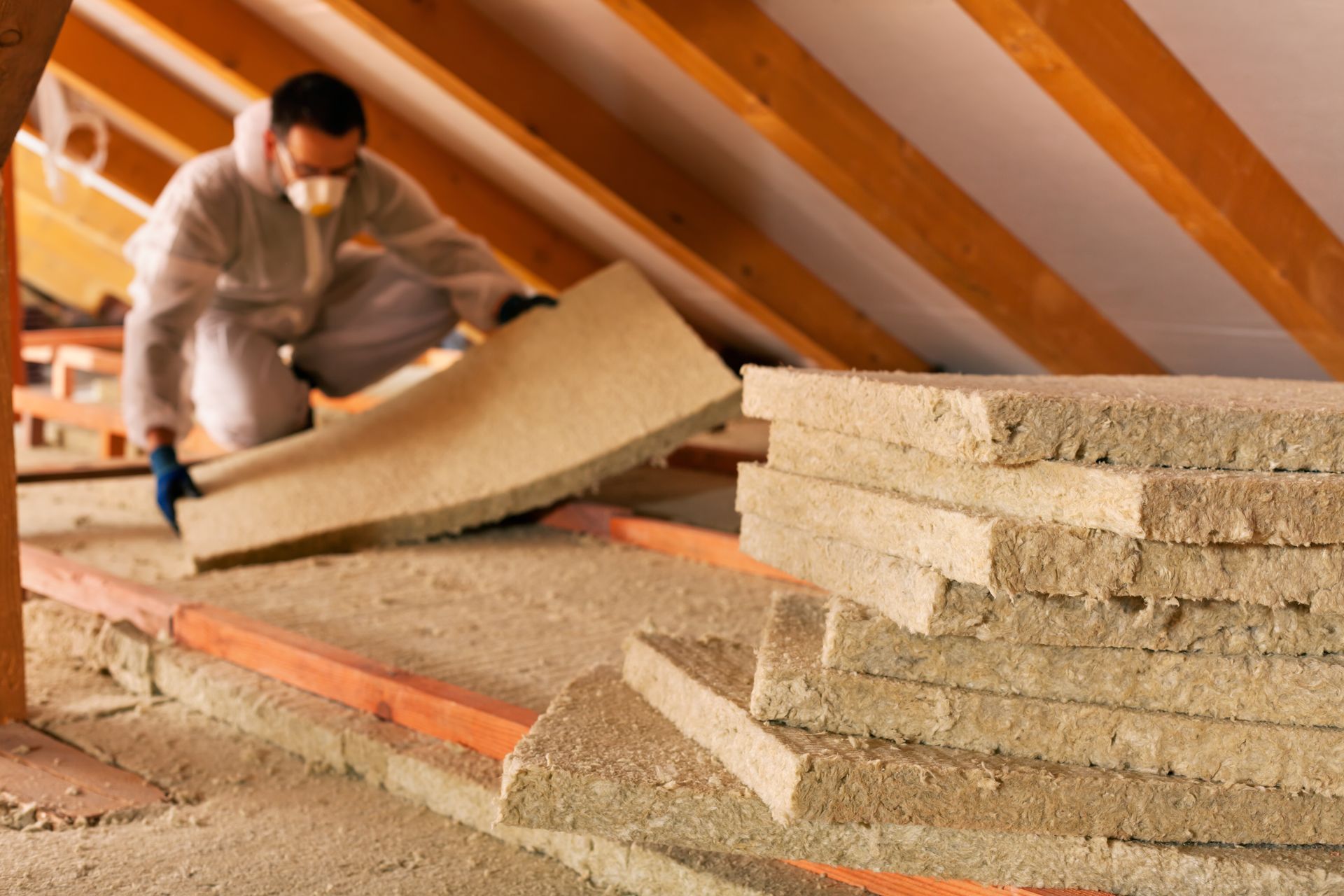
Sealing recessed lighting, top plates, plumbing penetrations, attic chases, and duct connections limits the interior air that escapes into the attic. Without air sealing, even thick layers of insulation may not be enough to keep the roof deck cold.
Blown-in cellulose is effective in older West Michigan homes with irregular framing or inconsistent existing insulation. It fills cavities and covers surfaces more evenly than fiberglass batts. Spray foam becomes the go-to solution when homes have extensive bypasses, ductwork routed through the attic, or architectural features that make air sealing difficult. Closed-cell spray foam in particular provides both insulation value and an airtight barrier.
A combination of optimized attic insulation and air sealing can keep the roof deck closer to outdoor temperature, which prevents the melt layer from forming beneath the snowpack.
Ventilation Improvements That Keep Roof Decks Cold
Without proper airflow through the attic, insulation alone can’t maintain a stable roof deck temperature.
Balanced intake and exhaust matter more than simply adding vents. A roof with multiple exhaust vents but blocked or undersized soffits will still run warm at the peaks. Installing baffles protects the airflow path inside the soffits and prevents insulation from choking off intake.
Correcting improper bath fan terminations can also help ensure that moist interior air exits the home instead of dumping into the attic.
When intake and exhaust work together, cold air washes across the roof deck, removing residual heat and keeping temperatures consistent from peak to eave. That consistency means no melt layer, no refreezing, and no dams.
Why Heat Cables Can’t Compete With Building-Science Fixes
Heat cables focus on melting ice already on the roof instead of preventing the conditions that create it. Operating costs across a single winter often exceed the price difference between temporary measures and permanent fixes. Cables also fail unpredictably, so you could unexpectedly be deprived of what little protection they offer without any obvious sign, until you start seeing leaks.
Why You Should Trust Advantage Roofing & Exteriors With Recurring Ice Dam Problems
Advantage Roofing & Exteriors brings the combination of roofing, ventilation, and insulation expertise that ice dam prevention actually requires. Call us at (269) 372-1691 for a free assessment and learn how we’d fix the root of your ice dam problem.