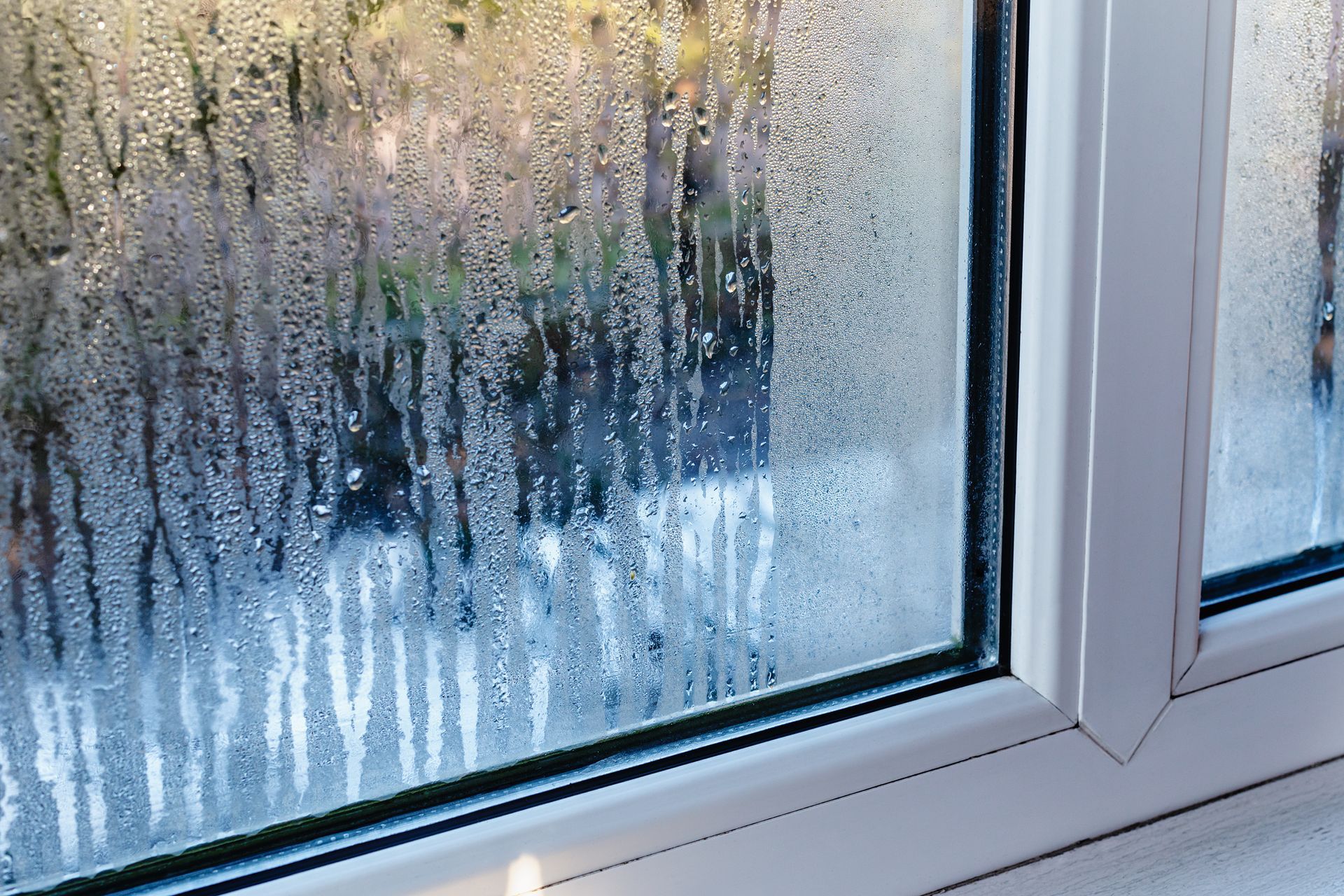
Common Flat Roof Problems on Kalamazoo Commercial Buildings
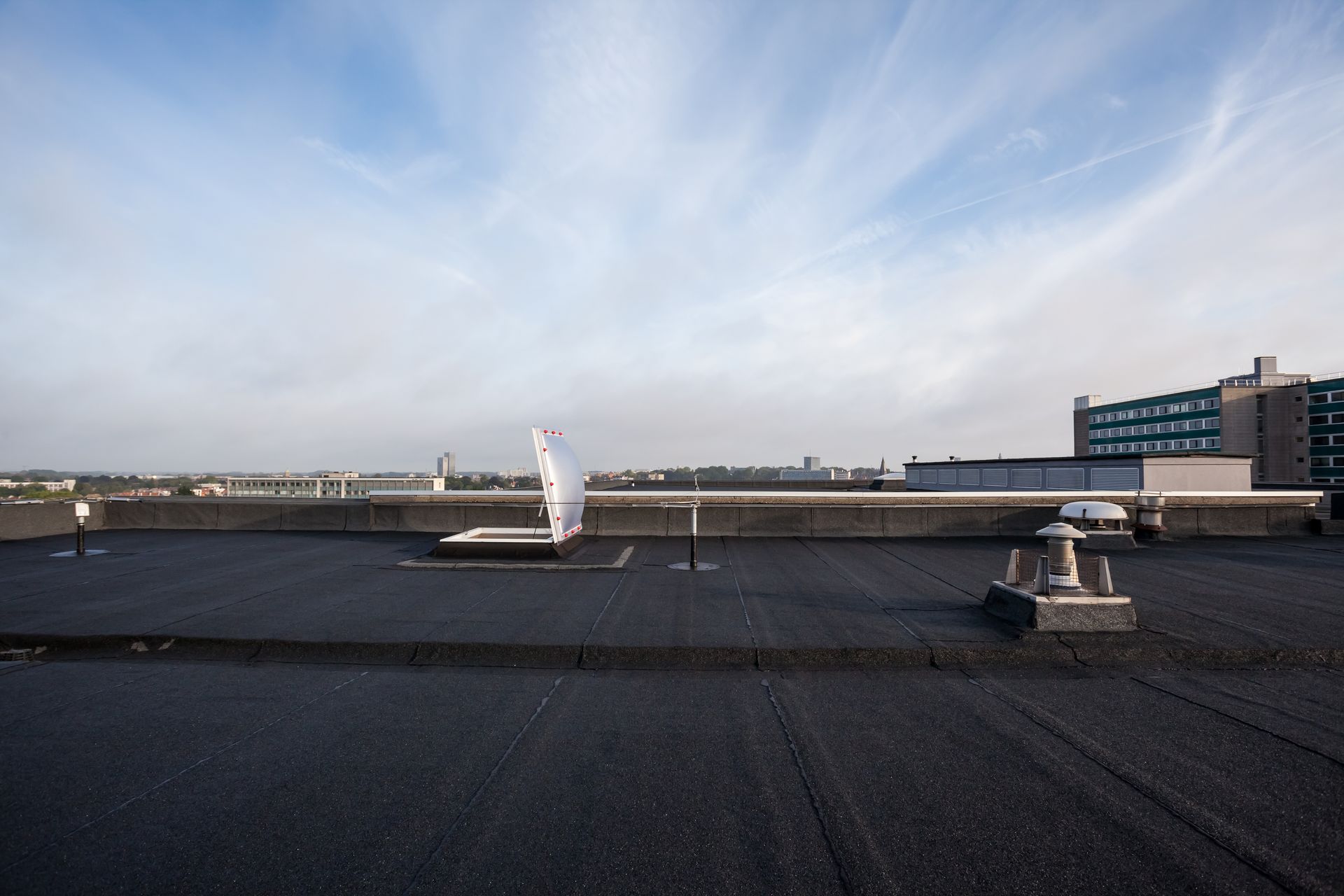
Flat roofs on small commercial buildings, churches, and multi-unit properties face year-round wear, but West Michigan’s freeze–thaw cycles make existing weaknesses far more noticeable. Even minor issues with seams, drains, or penetrations can turn into active leaks once snow and melting water start pooling on the roof.
What Commercial Roofers Look for During a Flat Roof Walkthrough
A walkthrough on a commercial flat roof focuses on areas where materials move, stretch, and separate under changing temperatures. Roofers look for early warning signs like membrane pull-back, stress cracks, soft insulation, clogged drains, and moisture trapped around mechanical units.
These checkpoints reveal whether the roof is managing snow loads and meltwater the way it should, or if hidden issues are about to become midwinter leaks.
Membrane Shrinkage That Pulls at Seams and Flashings
EPDM and other single-ply membranes contract in cold weather. Over time, that movement can pull the membrane away from perimeter edges, parapet walls, and mechanical curbs. When the membrane shrinks even slightly, the strain shows up as gaps at termination bars, exposed fasteners, or stretched corners around HVAC units.
Shrinkage becomes a problem when snow accumulates. Snowpack adds weight and traps meltwater against tension points in the membrane. A small pulled seam that goes unnoticed in warm weather can open enough during the winter to let water travel under the surface and saturate the insulation below.
Cracked or Open Seams
Seams are among the first failure points on aging commercial roofs. Adhesives dry out, tapes lose tack, and flashing details gradually lift as the building moves. When temperatures swing, partially bonded seams expand and contract, which widens small imperfections.
Once ice forms along those weakened seams, it acts like a wedge. Freeze–thaw cycles push the seam farther apart and create pathways for water during a warmup. This is why some commercial roofs that appear watertight in late summer develop persistent leaks by midwinter.
Ponding Areas That Hold Meltwater
Low spots on a flat roof are expected over time, especially on older commercial buildings where insulation has compressed or the original installation lacked adequate slope. The existence of low spots is less of a concern than the length of time water sits in them after snowmelt or rain.
When ponding water remains for 24 to 48 hours, it accelerates membrane deterioration and increases the likelihood that small cracks or punctures become active leaks. During winter, ponding often isn’t visible until a brief warmup melts the top layer of snow. Water then collects in shallow basins and freezes again, adding weight and stressing seams and flashing systems.
Clogged or Slow Internal Drains
Buildings with internal drainage systems rely on clear pathways for meltwater to move off the roof. Leaves, debris, and early-season ice can clog these drains, causing water to back up beneath the membrane or overflow into areas where the flashing is already strained.
Clogged drains are one of the most common causes of winter leaks because they create pressure at the seams and edges. If water wraps around a parapet or penetrates a loose curb detail, leaks can spread far from the original drain location.
Failing Curb Details Around HVAC Units and Vents
Mechanical units and vent penetrations are high-movement zones on any commercial flat roof. Vibration, temperature swings, and years of service can cause the flashing around these curbs to pull loose or crack. Sealant dries out, metal flashing shifts slightly, and the membrane around the curb becomes less flexible as it ages.
Snow and ice settling around these units increases the load on already stressed materials. When temperatures rise briefly, meltwater often finds its way into the gaps where the membrane no longer sits flush against the curb.
Penetration Flashing Problems
Flat roofs with multiple penetrations such as pipes, electrical conduits, and communication equipment are more prone to leaks because every penetration adds a point where the membrane must flex and seal tightly. Over time, boots crack, sealants fail, and flashings loosen. When snow settles around these penetrations, it traps moisture and increases the chance that small openings become water entry points.
Why You Should Trust Advantage Roofing & Exteriors With Commercial Flat Roof Maintenance
A detail-oriented local roofer with experience in West Michigan can identify these problems early and provide targeted solutions before winter leaks disrupt business operations. Advantage Roofing & Exteriors performs thorough commercial roof inspections and offers solutions to address the flat roof challenges Kalamazoo properties face.
Call (269) 372-1691 to schedule an inspection and fix problems before they escalate.