How Freeze–Thaw Cycles Shorten the Life of Aging Roof Decking
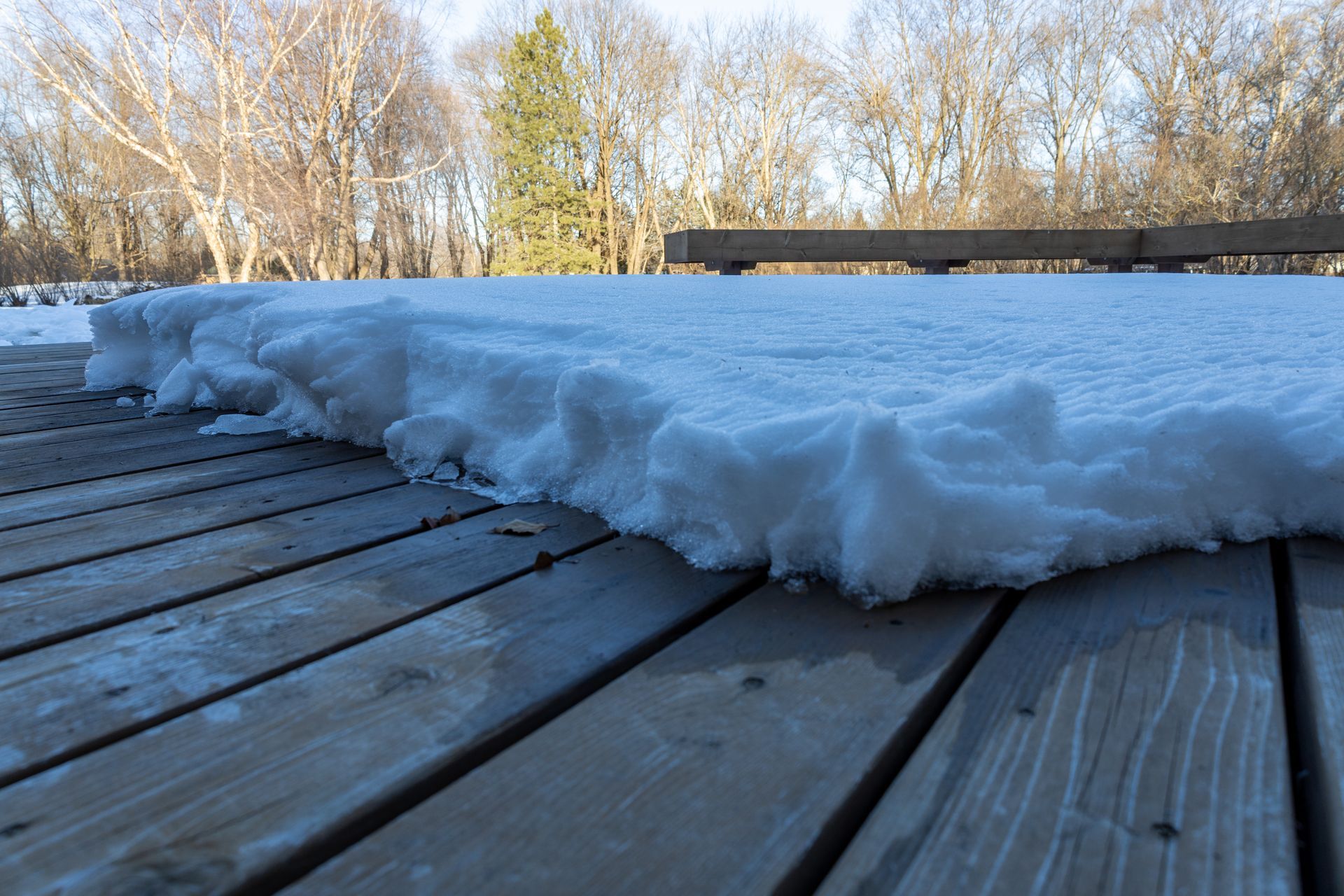
Kalamazoo roofs carry a lot of snow some winters, which understandably makes homeowners nervous about the added weight sitting on their homes. The good news is that most properly built residential roofs are engineered to handle snow loads without issue.
The much greater risk during Michigan winters is one that’s harder to see from the ground: gradual damage from repeated freeze–thaw cycles. Years of those cycles can quietly weaken aging roof decking, even when the shingles themselves still look serviceable.
How Freeze–Thaw Cycles Work Against Your Roof
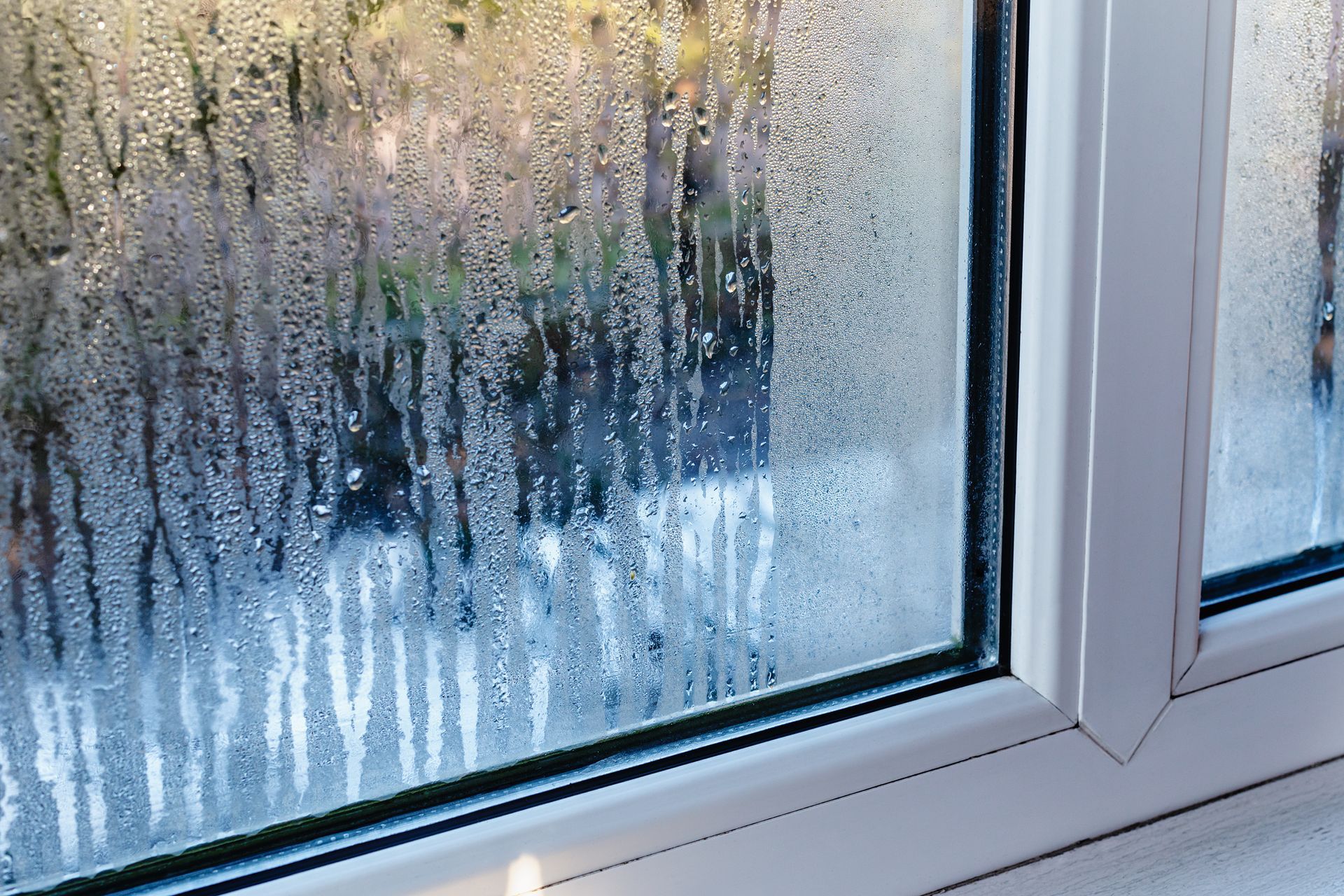
During winter, snow rarely stays frozen solid for months on end. Sun exposure, heat loss from the home, and temperature swings cause snow to melt during the day and refreeze at night. That process repeats dozens of times each season.
As snow melts, water moves downward along the roof surface. When it refreezes, it expands. That constant movement and expansion puts stress on roofing materials, especially along edges and transitions. While shingles are designed to shed water, the materials beneath them are far more vulnerable to repeated moisture exposure.
Moisture Intrusion Beneath the Shingles
Freeze–thaw damage usually starts with water finding its way below the shingle layer. Ice dams at the eaves are a common culprit, forcing meltwater to back up under shingles instead of draining off the roof. Valleys also see concentrated water flow as melting snow collects and refreezes in the same locations.
On older roofs, underlayment and flashing may already be nearing the end of their service life, making them less effective at keeping moisture out. Even small amounts of repeated wetting can take a toll on roof decking over time.
Nail Pull-Out and Fastener Fatigue
As roof decking absorbs moisture, it expands. When temperatures drop, it contracts as it freezes. That constant movement gradually loosens nails and fasteners that secure shingles to the deck.
Nail pull-outs and fastener fatigue don’t happen all at once with a dramatic and audible pop. It’s a gradual process that is invisible from the ground. Shingles may still appear intact, but their holding power is reduced.
After a decade or more of winters, loosened fasteners can contribute to shingle movement, wind vulnerability, and premature wear across the roof surface.
OSB Delamination and Loss of Strength
Many homes use oriented strand board, or OSB, as roof decking. OSB performs well when it stays dry, but repeated moisture exposure can cause problems.
As OSB edges absorb water, they swell. Over time, the layers within the board can begin to separate in a process known as delamination. Once that happens, the decking loses stiffness and strength. This leads to the development of soft or spongy areas, particularly near roof edges, long after the damage has started.
Why Eaves and Valleys Show Damage First
Not all areas of the roof are affected equally. Sections of the roof over heated attic space experience the most frequent freeze–thaw cycling as snow melts during the day and refreezes at night. However, those areas aren’t where damage is most commonly found.
Eaves, which extend beyond the home’s heated envelope, stay colder and are where meltwater refreezes and backs up, forming ice dams. Over time, this prolonged moisture exposure makes eaves and valleys the most common locations for decking deterioration.
During roof inspections or tear-offs, these areas are often where contractors first find soft decking or early structural deterioration, even when the rest of the roof appears solid.
Why Shingle Appearance Doesn’t Tell the Full Story
Shingles are designed as a protective surface, not a structural indicator. It’s entirely possible for shingles to look acceptable while the decking underneath is slowly deteriorating.
Visual inspections from the ground can’t reveal fastener fatigue, early delamination, or subtle soft spots. In many cases, homeowners don’t realize there’s a decking issue until a roof replacement is underway or leaks begin appearing inside the home.
What a Thorough Roof Inspection Looks Beyond Shingles
A meaningful roof inspection goes beyond checking shingle condition alone. It includes evaluating how the roof feels underfoot, paying close attention to eaves, valleys, and other high-risk areas.
Roofers should look for signs that decking may no longer be providing solid fastener support or that moisture cycling has weakened structural components. Identifying these issues early allows homeowners to address them before they compromise the performance of a new roofing system.
At Advantage Roofing & Exteriors, we know that freeze–thaw cycles don’t always cause dramatic failures that you can easily spot from the driveway. We take the time to evaluate the full condition of roof decking, especially on older homes, to spot signs of cumulative damage from years of freeze–thaw cycles.
Schedule your roof inspection and free roof repair or replacement estimate by calling us at (269) 372-1691.